
Updated on: 04 Feb, 2026
Let’s be honest, X (yes, formerly known as Twitter) hasn’t been feeling the same lately due to algorithm changes, ads, and endless rebrands. This is why creators and businesses are looking for better sites like Twitter to grow and connect again.
After seeing many new social media platforms, the best Twitter alternatives in 2026 that have made their name for engagement, community vibes, and creator-friendly tools are Bluesky, Threads, and Mastodon.
Doesn’t matter if you’re building a cozy Discord place or sharing insights on LinkedIn, there’s always a platform that will perfectly match with your creator style.
Still sticking with X? No worries, we don’t judge. Just boost your reach with our Twitter growth services and make every post count.
As we step into 2026, one trend is clear: decentralized social media (DeSoc) is on the rise. Platforms that give creators more control, privacy, and real community engagement are seeing a surge in users. From Mastodon's open-source ecosystem to Bluesky's customizable feeds, this year is shaping up to reward networks where users actually own their experience.
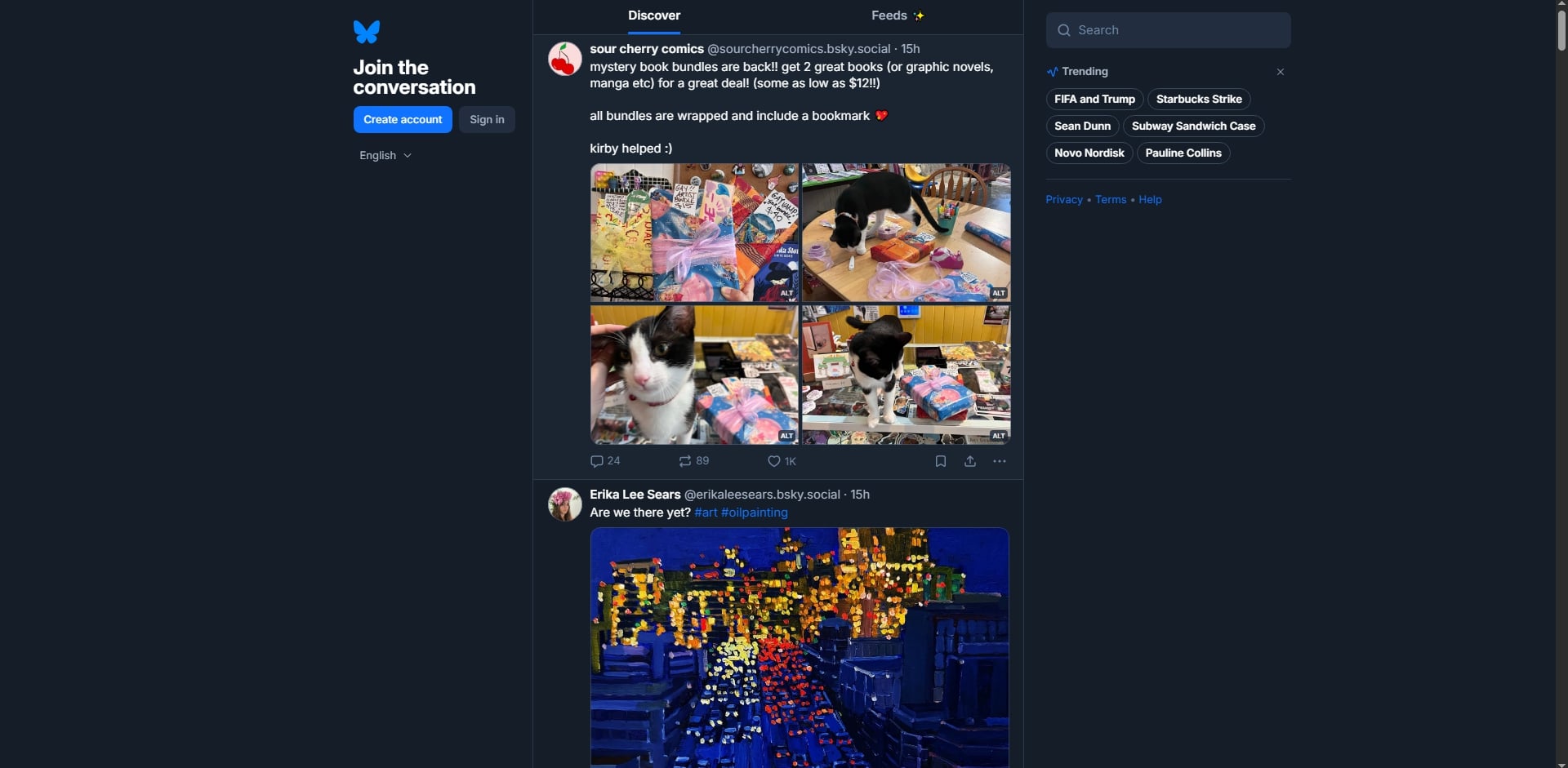
Want a stress-free, old twitter vibe? Bluesky, built by Jack Dorsey on the open AT protocol, is the perfect decentralised app for you that gives you full control of your feeds, so no company can secretly change your feed.
This app was like an exclusive club for months, in which you required a special invite to get in. But by late 2024, they opened their doors to everyone and since then they have more than 20 million users.
Pros:
Cons:
Bluesky isn’t perfect, but it’s the best overall alternative to Twitter if you want community feels without the corporate clutter.
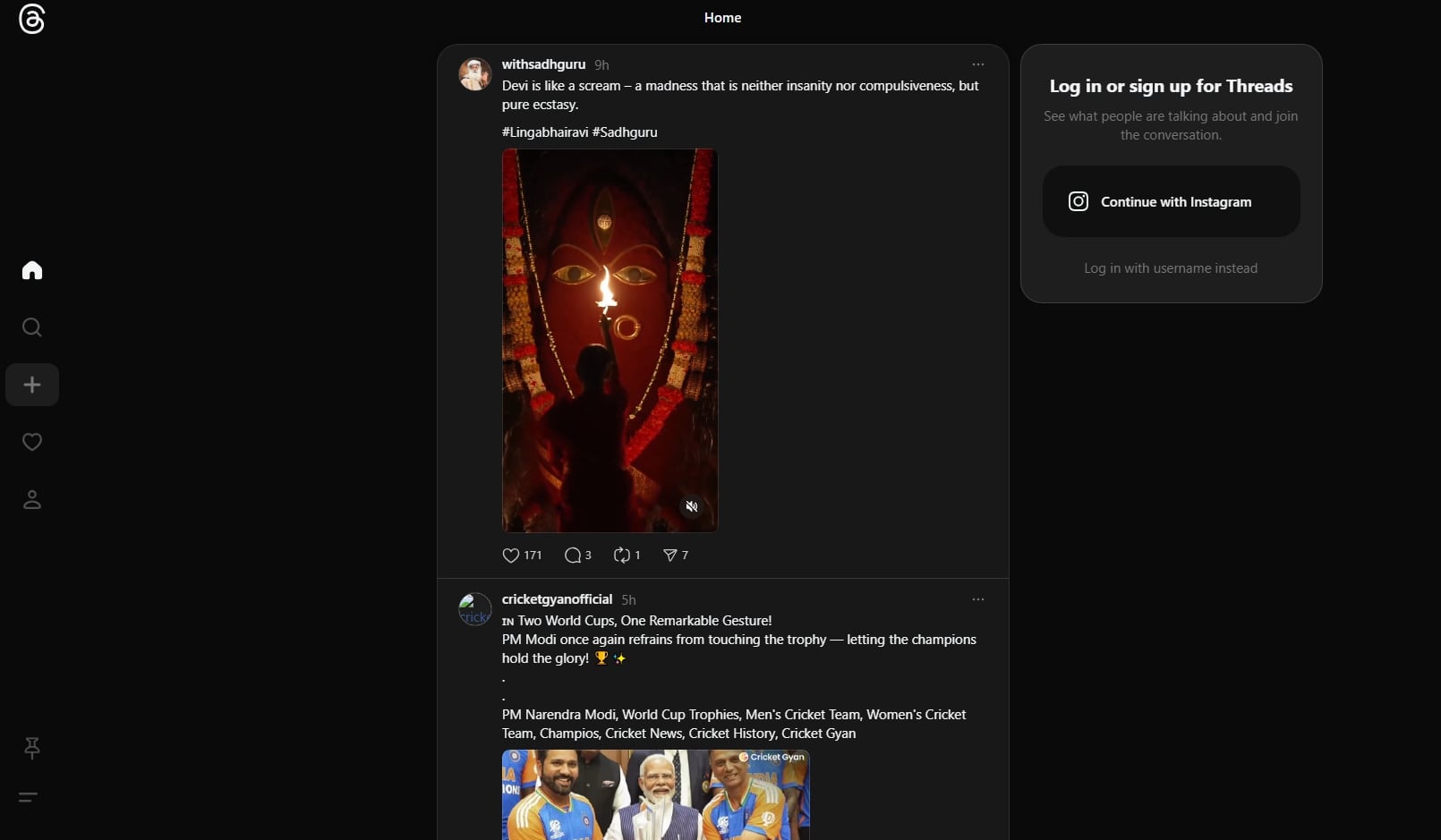
If you live inside the Meta social media world, the Threads app will give you a home-like comfort. This app is Meta’s answer to the chaos of X, which means it’s fast, clean, and already buzzing with heavy creator energy.
Why it’s best:
Why not:
For creators who are looking for reach rather than just raw control, Threads is easily one of the best social media alternatives this year.
As of early 2026, the distinction between Threads and Bluesky has become fairly obvious. Although both are considered the best Twitter alternatives, they cater to two entirely different sets of users.
Threads has evolved into the mainstream, brand-friendly solution. It is very algorithm-heavy, built for reach, and integrates well with Instagram and Facebook. This makes it perfect for businesses, influencers, and content creators who value reach, rapid growth, and integration with the Meta ecosystem.
Bluesky is more like the old Twitter in its essence. It is all about having a chronological feed, timelines, and actual conversations, as opposed to trying to follow the algorithm. It tends to attract content creators, journalists, and people who have been using Twitter for a long time.
If you’re deciding between the two:
That's why in 2026, Threads and Bluesky stand out as the two strongest yet very different alternatives to Twitter.
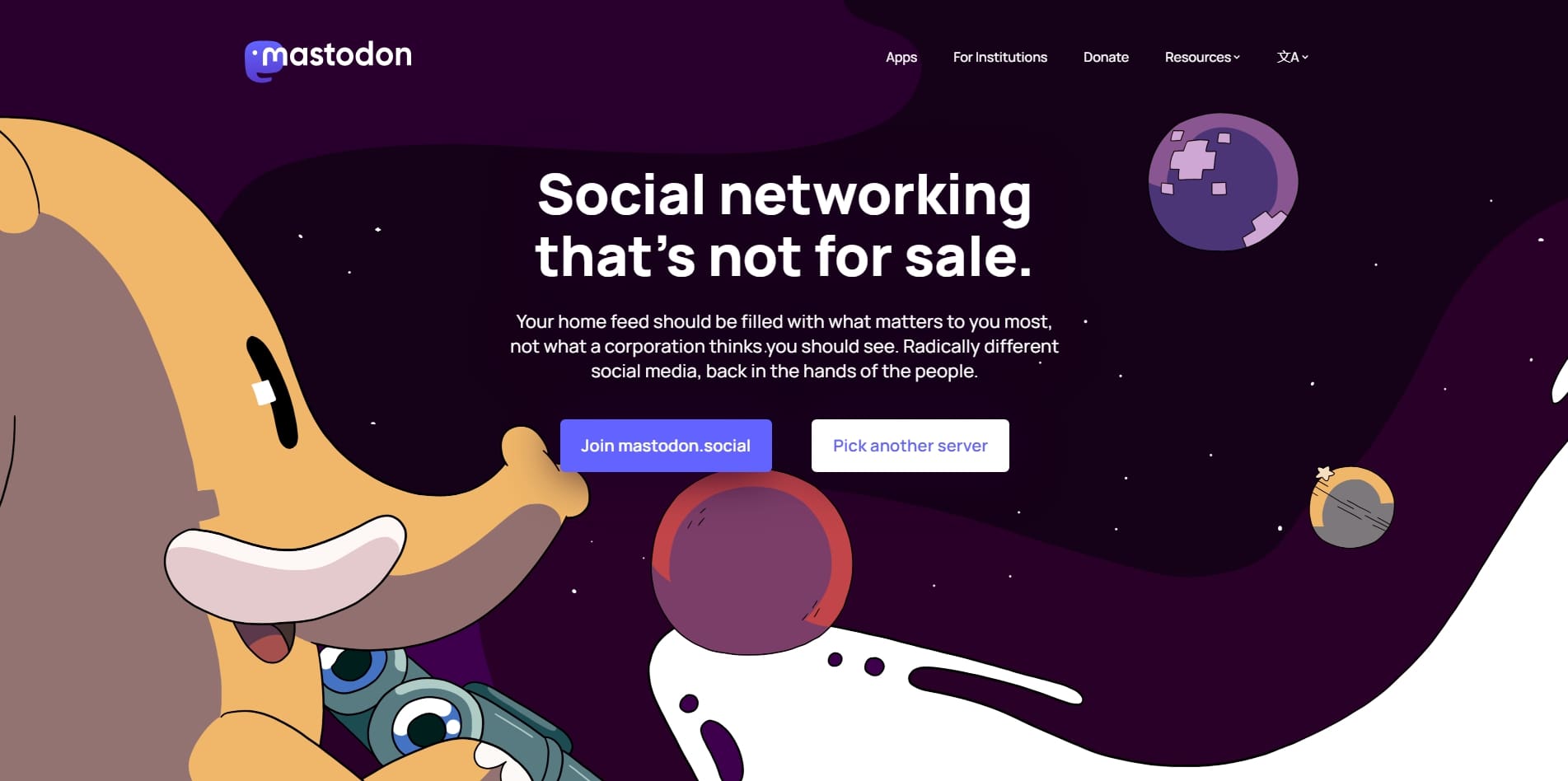
The Mastodon app is like Twitter, but it pays more attention to your privacy and doesn’t show ads. It’s made to give users more control over their accounts and what they see. It’s a decentralized social media platform powered by open-source microblogging and people love it for this.
USP:
100% control. Real conversations. No algorithms to give you stress. Just conversations in a community that you choose yourself.
It might take some time to learn about it because the “instances” can be confusing, but once you get it, it’s one of the most real Twitter alternatives. It moves at a slower pace, has a nicer atmosphere, and keeps your data secure.
In 2026, Mastodon’s role in the Fediverse feels more relevant than ever. With Threads expanding its ActivityPub integration, Mastodon users can now more easily follow and interact with Threads accounts, creating real cross-platform conversations. This kind of “cross-talk” between networks is becoming one of the biggest trends in decentralized social media.
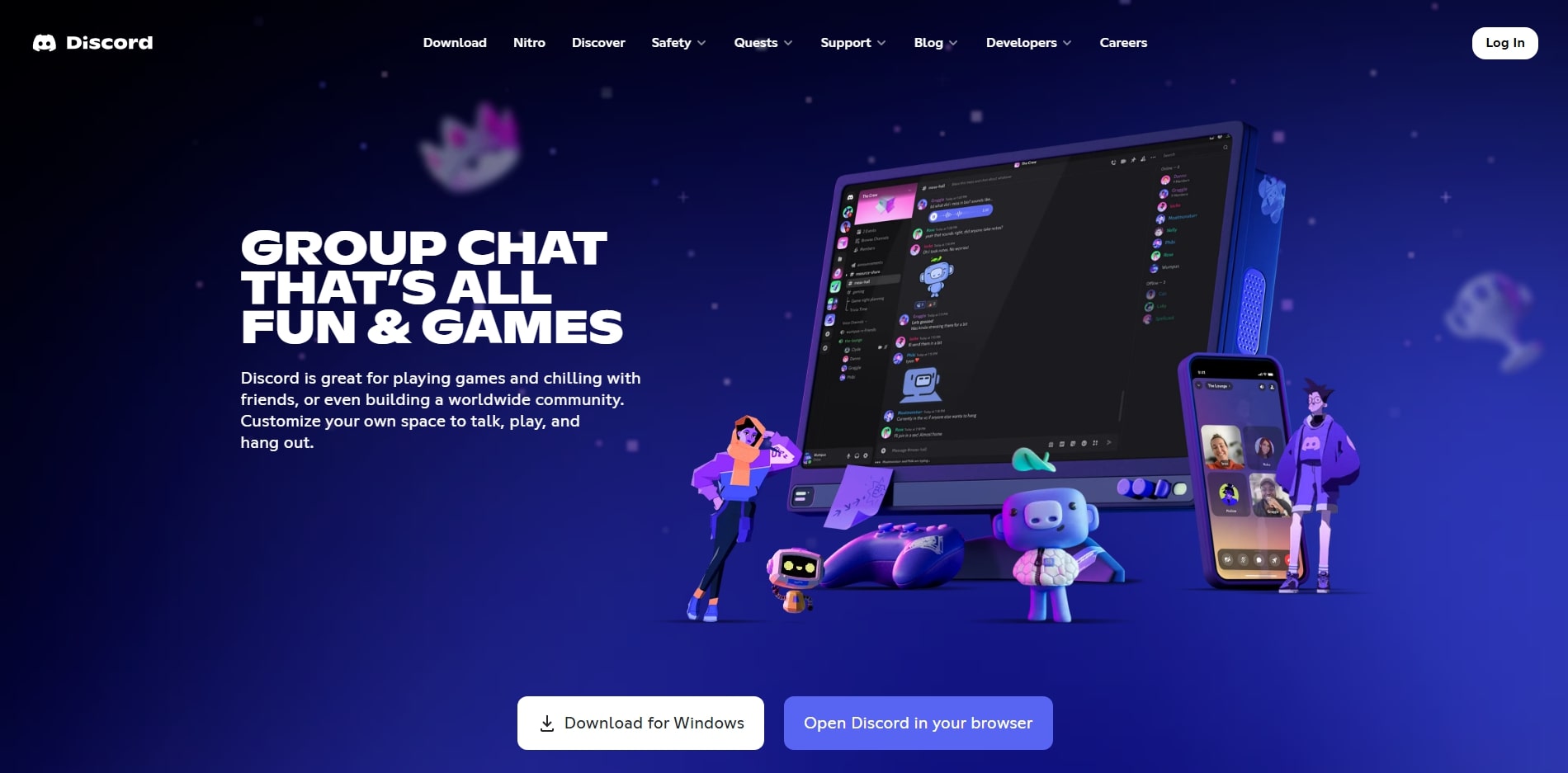
If Twitter feels too busy, Discord will be your go-to for real conversations. It's gold for creators because it has private hangouts instead of wild public shout-fests.
Positive:
Negative:
Still, it is suitable as a social platform for creators who value depth over clout, it stands tall among the best social media alternatives of 2026.
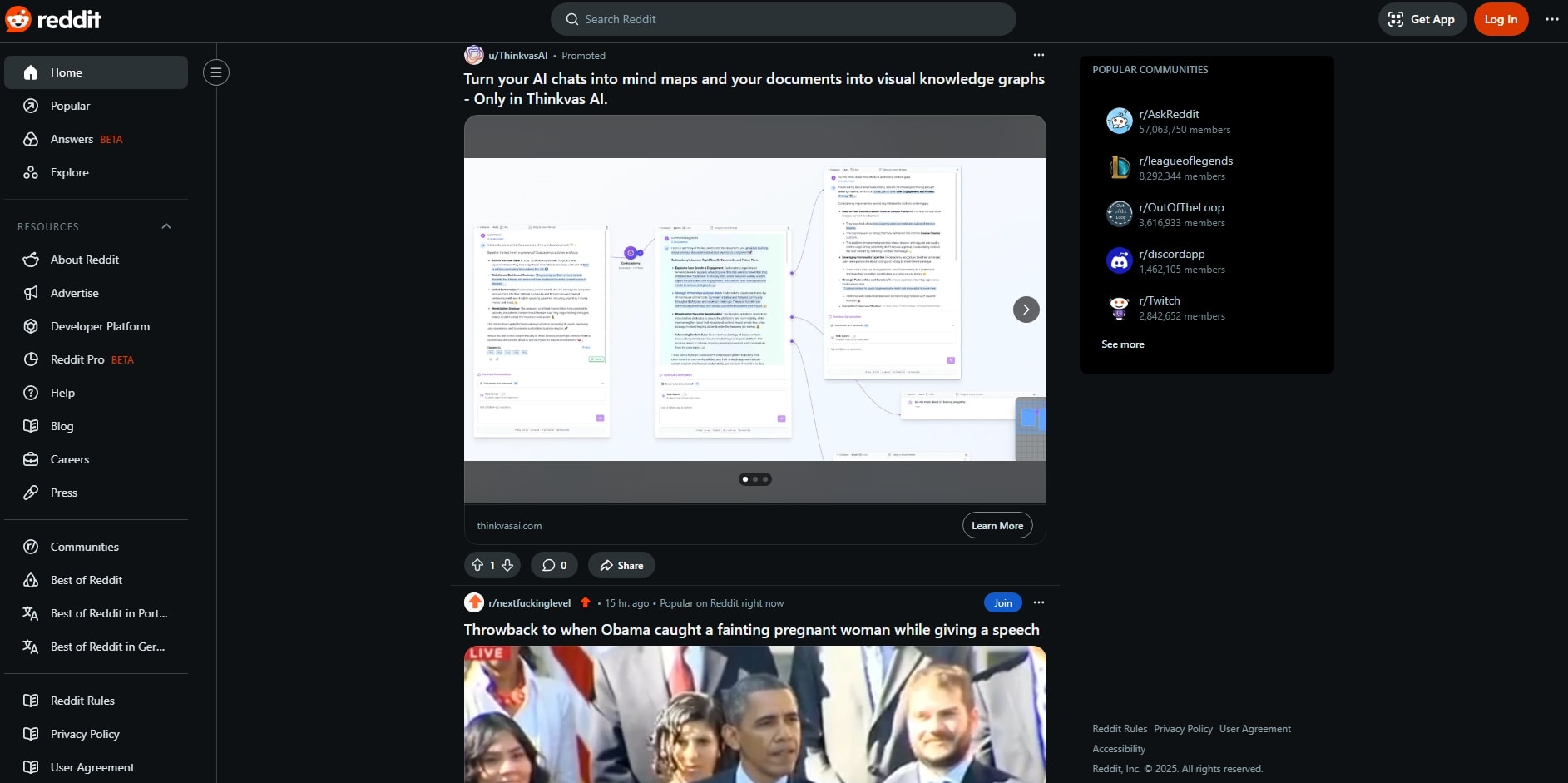
Reddit is a living, breathing platform, where niche conversations matter. It’s perfect for creators who love genuine engagement, but slower for rapid brand growth. It takes time to build, but the connections you build are real.
Best Features:
If you’re done with algorithms and want a genuine community-driven vibe, Reddit is one of the smartest twitter alternatives out there in 2026.
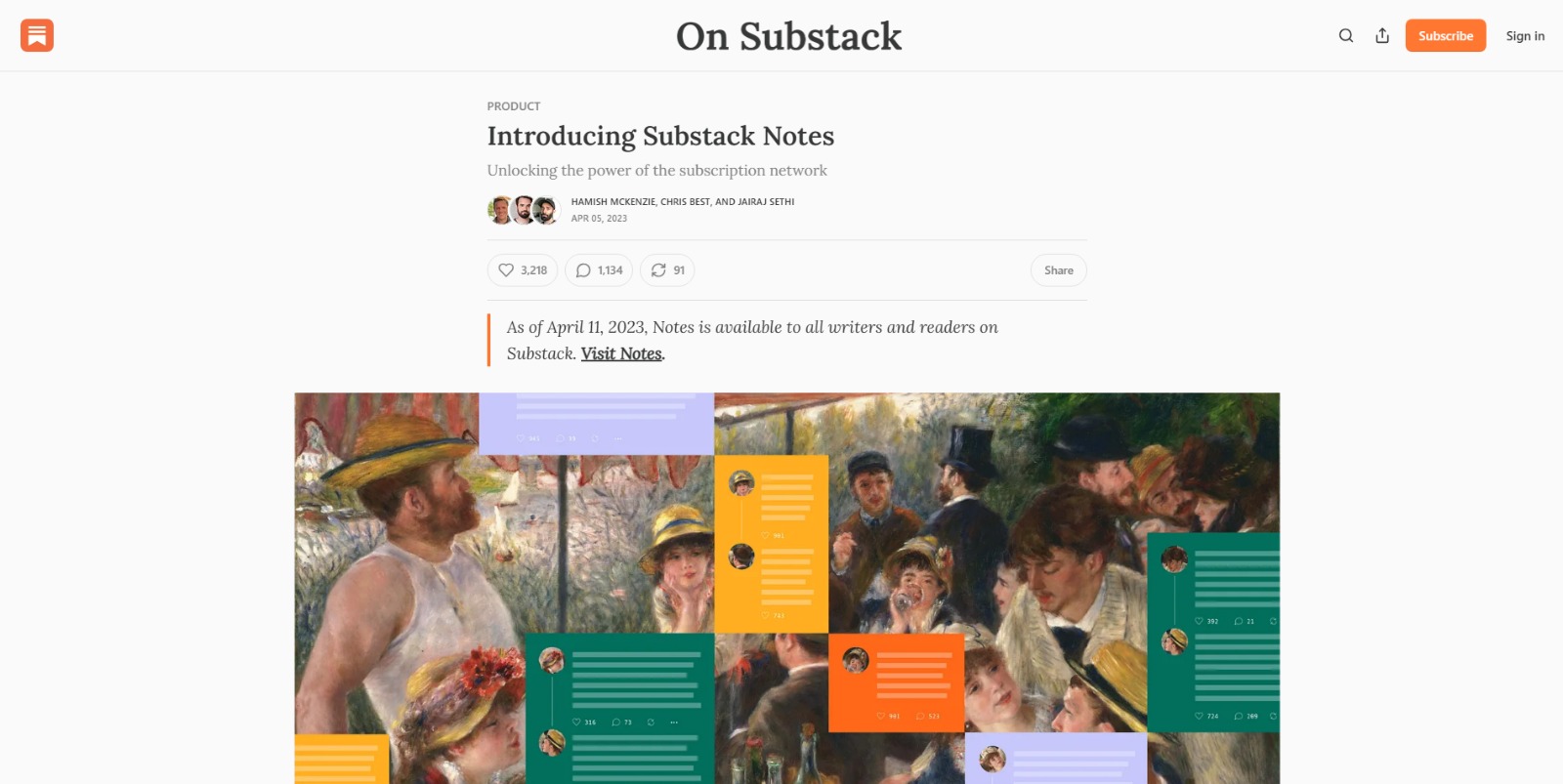
Substack Notes is the newsletter platform, which has evolved into a microblogging space for professionals. It lets writers share short posts, reply to readers, and “restack” content, all while keeping their mailing lists and subscriptions intact.
Journalists, thinkers, and creators who are focused on ideas rather than trends.
Built-in tools let creators make money directly from their audience, without ads or middlemen.
Limited discoverability can make it hard for new users to grow fast.
For those seeking ownership, meaningful engagement, and depth, Substack Notes is one of the smartest Twitter alternatives in 2026.
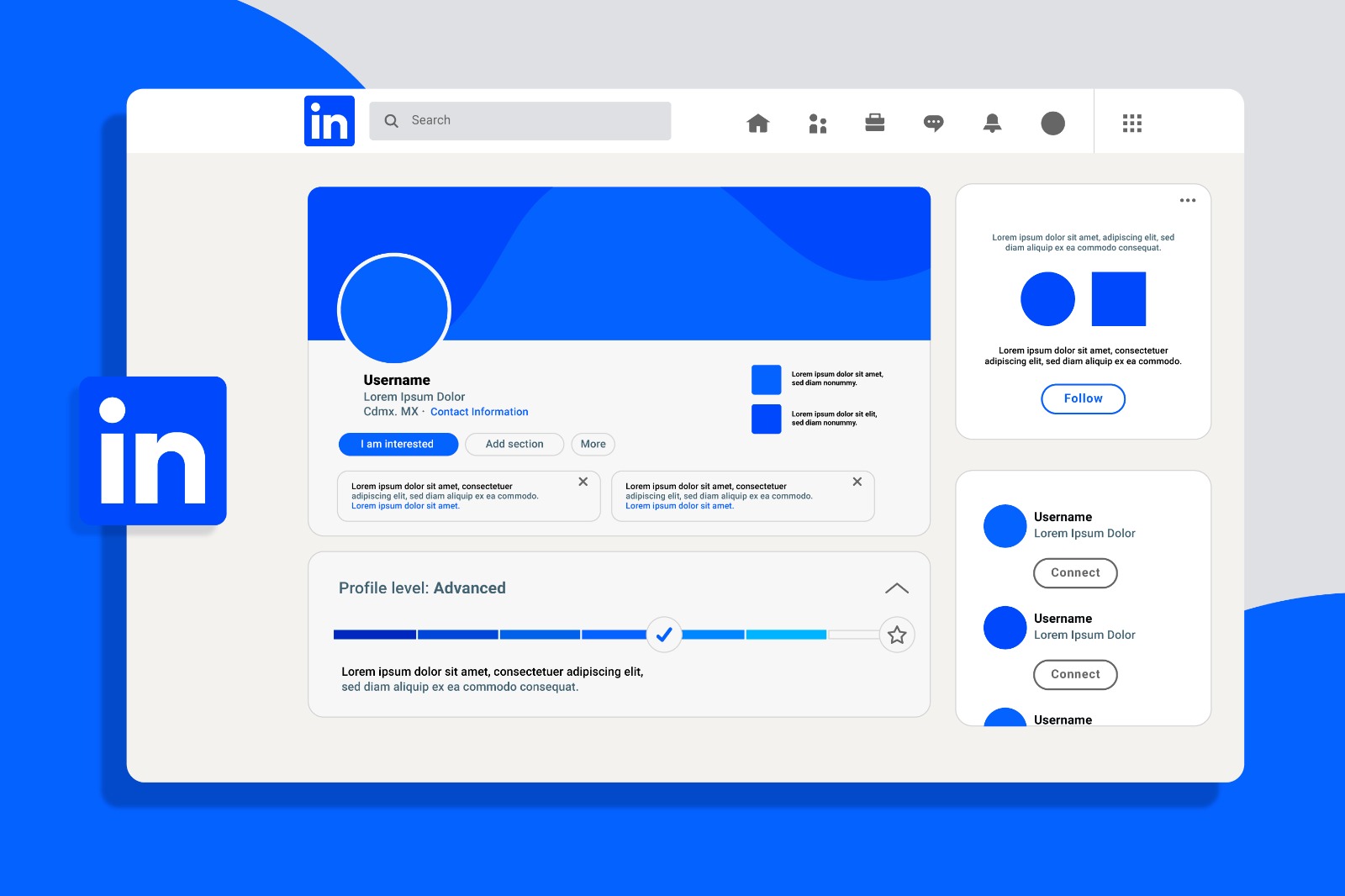
When people think of business networking, LinkedIn is the first thing that comes to their mind. It began as a digital resume site and is now a strong microblogging platform for professionals, full of creators, brands, and leaders.
Pros:
Cons:
Still great for professionals who are serious about growth, LinkedIn remains one of the best Twitter alternatives and social media platforms of 2026.
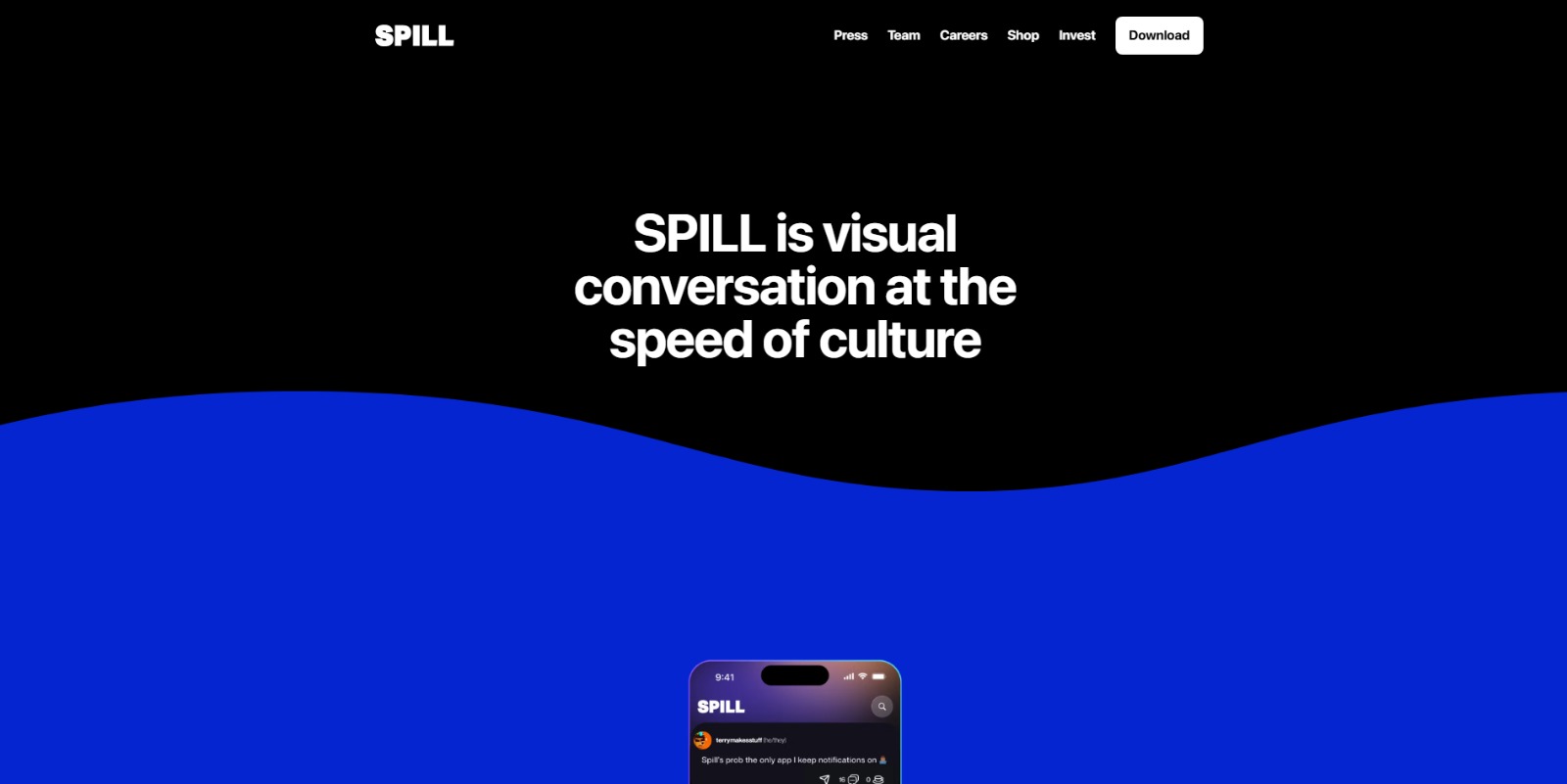
The Spill app is what happens when social media meets culture, and looks bright, expressive, and creative.It was created by former Twitter employees and has become the new hub for Black Twitter, where discussions feel alive again.
Why You Should Pick It:
Spill started out as an invite‑only beta on iOS, but over time it has opened its doors more broadly and is now available on both iOS and Android, making it easier for anyone to join the platform. It’s still young compared with big players like Threads or Bluesky, but its focus on visual posts, multimedia conversations, and community features like live audio/video “Tea Parties” has helped it carve out a niche among creators and culturally driven communities.
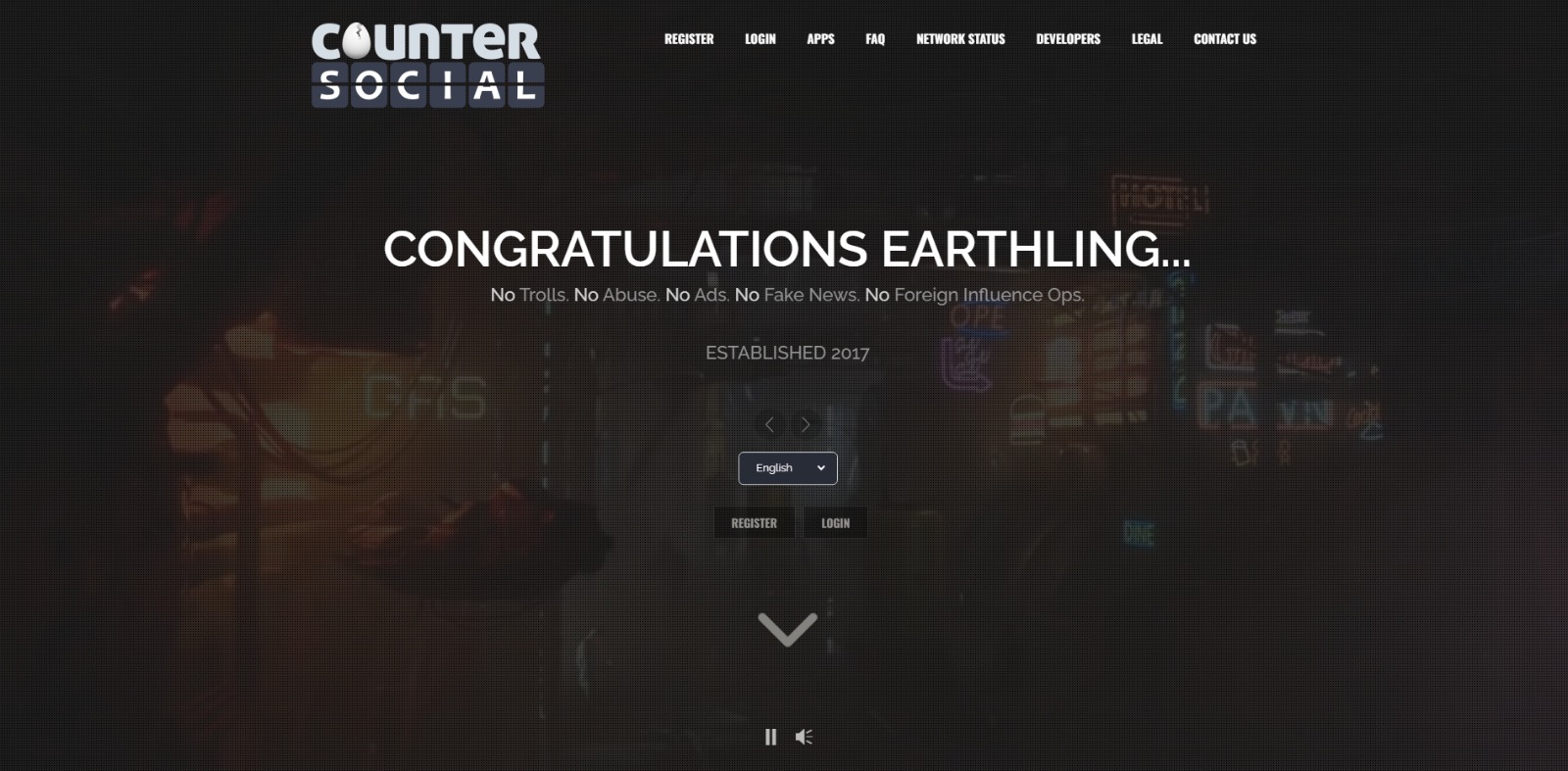
If privacy is your utmost priority, then CounterSocial might be your next new choice. This is a privacy-first social media app that skips the noise, ads, and pays attention to your safe and authentic experience.
Why You’ll Like It:
Yes, the audience is smaller, but that’s kind of the point, to stress over quality over quantity. In 2026, CounterSocial stands as one of the best social media alternatives for people who take their privacy seriously.
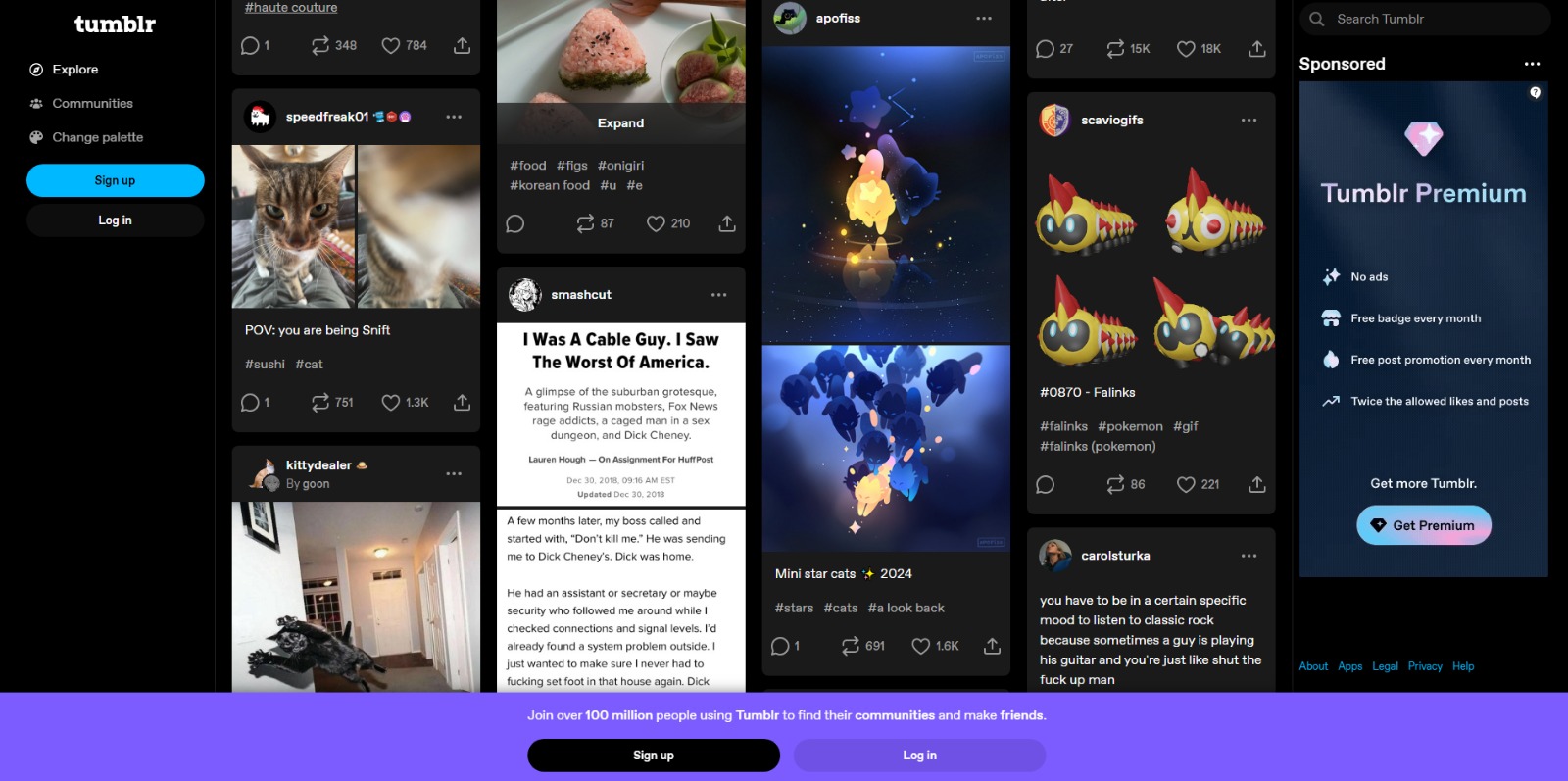
If you miss the old internet, the one which was filled with gifs, fandoms, and moody blog themes, you can check out Tumblr social media, which still has that magic. It’s one of the few blogging platforms that lets creativity shine without stressing over algorithms.
Why to Choose:
Why Not:
Now that we've gone into detail about the top Twitter alternatives, here's a quick overview of how these sites like Twitter (X) stack up against each other in 2026. From updated user numbers, standout features, and what makes each one special, from community-driven Bluesky to mainstream Threads, plus newer players like Post.news and Note.
|
Platform |
Type |
Best For |
Discoverability & User Base (2026) |
Key Feature |
|
Bluesky |
Decentralized |
Classic Twitter Users |
Moderate Visibility/ 38-40M+ Users |
Customizable Feeds, AT Protocol. |
|
Threads |
Meta-backed |
Instagram & Facebook Users |
Very High/ 400M+ Users |
Cross-Platform Reach, Meta Ecosystem, Fediverse integration. |
|
Mastodon |
Open-source |
Privacy-Focused Creators |
Low Visibility/ 15M+ Users |
Decentralized, 100% Ad-Free. |
|
Discord |
Community-first |
Creators, Gamers & Brands |
Moderate/ 500M+ Active Users |
Real-Time Chats, Private Communities. |
|
|
Discussion-based |
Topic-Driven Audiences |
High/400M+ Users |
Niche Forums, Authentic Engagement. |
|
Substack Notes |
Creator-owned |
Writers & Journalists |
Low to Moderate/10M+ Users |
Built-In Monetization, Audience Ownership. |
|
|
Professional network |
Entrepreneurs & B2B Creators |
High/900M+ Users |
Creator Mode, Business Visibility. |
|
Spill |
Culture-driven |
Diverse, Creative Voices |
Moderate/2M+ Users |
AI Moderation, Culture-Driven Design. |
|
Post.news |
News & Microblogging |
Creators seeking new audience |
Moderate/1-2M+ Users |
Community & discovery-focused, easy monetization. |
|
Note (by Substack) |
News & Microblogging |
Writers & Creators |
Moderate/1-2M+ Users |
Simple microblogging, integrated with Substack newsletters. |
|
CounterSocial |
Privacy-first |
Security-Conscious Users |
Low/1M+ Users |
Encrypted, Bot-Free Network. |
|
Tumblr |
Creative / multimedia |
Artists & Fandom Culture |
Moderate/135M+ Users |
Visual Blogging, Creative Freedom. |
There’s no single “best Twitter alternative”, it totally depends on your goals. Want visibility? Go for Threads or LinkedIn. Like having control and privacy? Try Mastodon or CounterSocial. Need creativity and fandom energy? Tumblr or Discord are your friends.
Twitter, now called X, used to be a lively hub for online conversations. But after the rebrand, frequent changes, verification problems, and growing mistrust have left many creators frustrated and looking elsewhere. People aren’t quitting social media — they’re just seeking platforms that feel more reliable and community-focused.
The Elon Musk Rebrand Fallout
Since becoming X, the platform has felt unpredictable. What was once a simple, fast place for sharing thoughts now seems cluttered, and users often don’t know what to expect day to day.
Algorithms and Lost Reach
Chronological feeds are gone. Instead, the site prioritizes paying users, making it harder for smaller creators and brands to get noticed. Many feel their work is invisible unless they pay or “game” the system.
Verification Confusion
The new paid verification system has caused chaos. It’s increasingly difficult to tell who’s real, and fake accounts have surged, leaving users and advertisers wary.
Advertising Pullback
Big brands have reduced spending on X due to safety concerns and poor moderation. That shift has forced the platform to focus on clicks and engagement rather than community-building.
Content Ownership and AI Worries
With Musk’s xAI projects, many creators worry that their posts are being used to train AI without permission, especially artists and writers. As of January 15, 2026, X updated its Terms of Service to explicitly make user-generated content, which includes posts, AI prompts and outputs. This is part of how the service may use and analyze this data for its AI algorithms such as Grok, which has raised privacy concerns among artists. On top of this, many users are frustrated with the increasing presence of bots and AI-generated content, which makes it more difficult to find real conversations and contributes to the perception that the platform is not as human as it once was.
Turning to New Platforms
Many users are now exploring alternatives like Threads, Bluesky, and Mastodon. These platforms emphasize real connections, creator control, and community — essentially what X used to provide.
The Emotional Side
Long-time users often say X just doesn’t feel the same anymore. They miss the energy, spontaneity, and sense of community. The newer platforms are bringing that back in ways that feel more personal and engaging.
Bottom Line
X’s changes haven’t killed social media — they’ve opened the door for a new era of creator-focused platforms. These alternatives aren’t just replacements; they’re fresh starts built around community, control, and meaningful engagement.
Not every app with a similar look to Twitter tries to replace it. The top social media platforms of 2026 are not about posting a small piece of text, but about giving users control, creativity, and connectivity.
Here’s what makes the best apps different from the usual scroll-and-skip platforms.
You can control what you see like chronological timelines, custom feeds, and less algorithm interference.
Safe, well-moderated spaces without spam or bots.
Tools that help creators have real conversations, not just likes.
Platforms that respect your data, offer subscriptions, and reward original content.
At Buylikesservices, after studying hundreds of creators and brands, we’ve found that real growth happens when creators have control over their content, audience, and the way their posts are seen.
Not every “Twitter alternative” fits everyone, it totally depends on what you’re building and who you’re talking to.
Here’s a quick checklist to find your perfect pair:
Choose LinkedIn if your priority is networking and authority, or opt for Substack Notes if you love writing and want your audience to stay just yours.
Go for Threads for fast discovery, or Discord to build a loyal fanbase that actually talks back.
Choose Mastodon or CounterSocial, they are ideal if you want peace, privacy, and no ads.
Reddit is still the king of topic-based discussions, while Bluesky is great for having that old-school Twitter energy with modern flexibility.
Once you’ve picked your platform, focus on what really matters, which is showing up, engaging smart, and growing an audience that sticks around with you.
Social media in 2026 isn’t just about scrolling, it’s about control, creativity, and connection. With users moving away from traditional platforms, a new wave of decentralized and community-driven networks is changing how we share, create, and engage online.
Here’s what’s changing:
Looking at creator trends, it’s clear that users on decentralized and community- focussed apps are more engaging and trusting.
The next era of social media? Smaller, smarter, and far more human.
Bluesky is just like Twitter, because of real-time chats, short posts, and feeds you can easily customize, which brings the old Twitter vibe without the chaos of X.
Not completely, but right now Threads is the most popular alternative to X. It’s easy to use, works well with Instagram, and allows creators users to reach a large audience without Starting over.
Yes, both are decentralized, privacy-focused apps that are free of ads or tracking. The only catch is that it takes a little time to learn how the servers and feeds work.
Threads and LinkedIn are winning the race. Threads gives creators instant reach through Meta’s ecosystem, while LinkedIn rewards regular posting and engagement with serious visibility.
You can’t import followers yet, but both platforms have the feature which makes it easy to share your new handle and reconnect. Most creators rebuild audiences surprisingly fast.
Spill and a few other creative apps are trending this year as they focus on culture, inclusivity, and authentic conversations over vanity metrics.
Yes, Mastodon and CounterSocial are completely ad-free and privacy-first apps, that offer encrypted chats, no algorithm manipulation, and communities built on trust, not sponsored trends.
LinkedIn, Threads, and Discord are the most suitable choices. LinkedIn is for professional visibility, Threads increases your brand reach, and Discord helps in building strong, loyal communities around shared interests.
Let’s be real, there’s no single “perfect” Twitter alternative. Each platform has its own rhythm, vibe, and community. Bluesky feels like classic Twitter reborn, Threads is your answer to Meta-powered visibility, and Mastodon is for the ones who want privacy and control. Then there’s Discord, Reddit, and Substack, which proves that social media doesn’t need to look the same to feel alive.
The real win? Finding a space where your content actually clicks, where conversations flow, not just scroll. Because in 2026, creators aren’t chasing followers, they’re building real communities.
So whether you’re testing new social media platforms or doubling down on your favorite, keep showing up, keep experimenting, and if you need a little boost, our social growth services can help your next post reach the audience it truly deserves.

About the Author Johnson
Johnson is the foremost authority on YouTube and Facebook marketing. On Buylikesservices, she shares insights collected during her experiences managing promotional campaigns for brands and creators, using YouTube and Facebook marketing tools, and planning advertising for those platforms.
Connect on LinkedIn
Social Media Packages: Types, Pricing and Best Picks 2025
04 Dec, 2025
10 Best Twitter Alternatives in 2025 | Tested for Creators
07 Nov, 2025
Socialwick Review: Honest Look at Its Legitimacy, Pricing & Results
30 Oct, 2025
Top 11 YouTube Alternatives and Online Video Platforms Like YouTube (2025)
29 Oct, 2025
Twicsy Review: Can It Really Boost Your Instagram and TikTok Growth?
25 Oct, 2025
Leofame Review 2025: Legit Social Media Booster or Scam?
25 Oct, 2025
Social Media Stuff EmbedTree: What It Is and How to Use It
18 Oct, 2025
15 Best Discord Alternatives 2025: Apps for Gamers and Teams
17 Oct, 2025
How to Use Buylikesservices | Complete Step by Step Guide
08 Oct, 2025
Dolphin anty Browser Guide: Multi-Account Management & Growth
17 Jul, 2025
Share article via:


The World's leading Social Media Service. Exploding profiles globally with High quality, Real, Targeting, Genuine Followers and likes.
2026 | Buylikesservices.com | All Rights Reserved.